

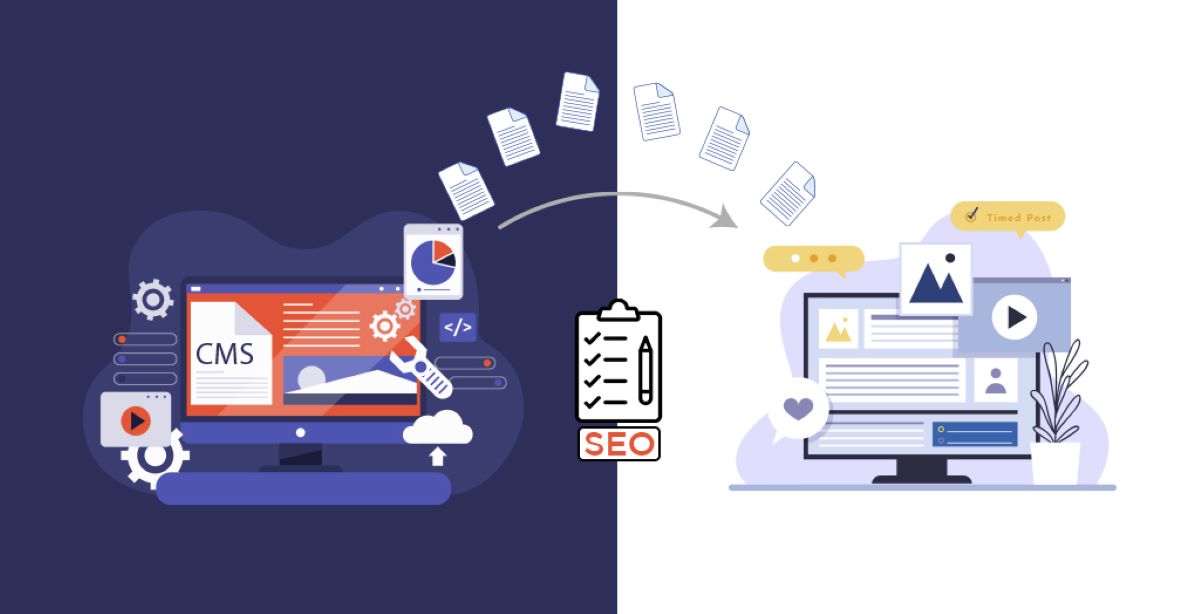
The core appeal is control. Umbraco gives companies a flexible foundation that can grow with traffic, content volume, and feature demands without locking them into rigid themes or proprietary workflows.
What makes Umbraco a strong fit for scalable websites?
The Umbraco CMS scales well because it is built for structured content, extensible architecture, and modern deployment patterns. Teams can start small and progressively add features, channels, and integrations without changing CMS platforms.
They also get separation between content and presentation, which helps when multiple front ends are involved. That makes it easier to expand from a single marketing site into a full platform with landing pages, regional sites, and application-style experiences.
Why do development teams prefer Umbraco over rigid, template-first CMS platforms?
Developers often prefer Umbraco because it does not force them into a narrow page builder or theme system. They can model content to match the business and build the front end the way they want.
That freedom matters when sites become complex. As requirements grow, rigid platforms can turn into workarounds. With Umbraco, teams can add custom logic, APIs, integrations, and automation without fighting the CMS.
How does Umbraco support growth across multiple sites, regions, and teams?
Umbraco works well for multi-site setups because content structures and components can be reused and governed centrally. Teams can standardize layouts and content types while still allowing local variation.
This is helpful for organizations with multiple brands, languages, or regions. They can keep consistent design and compliance where it matters, while giving editors the flexibility to publish region-specific content without developer help.
What does Umbraco offer content teams who need speed without chaos?
Content teams like Umbraco because it keeps editing straightforward while supporting structured, reusable blocks. Editors can move faster when content types are clearly defined and components are consistent.
That structure also prevents the common scaling problem where every page becomes a one-off. When there are guardrails, large teams can publish frequently without breaking layouts or creating inconsistent experiences across the site.
How does Umbraco handle integration-heavy websites?
Umbraco is often chosen when the website needs to connect to other systems like CRMs, PIMs, ecommerce tools, search platforms, or analytics stacks. It is designed to be extended rather than treated as a closed box.
That integration flexibility matters for scalability because growth usually brings more systems. As businesses add tools, they need a CMS that can adapt and act as a stable content hub, not a bottleneck.
Why is Umbraco a common choice for headless or hybrid architectures?
Umbraco supports headless and hybrid builds, which helps businesses scale across channels. They can serve content to websites, apps, kiosks, and other touchpoints from a single source of truth.
Hybrid setups are also practical. Teams can keep fast editorial workflows while delivering parts of the experience through APIs where needed, such as product listings, personalization layers, or interactive tools.
How does Umbraco help businesses maintain performance as content grows?
Performance issues often come from messy content and fragile templates rather than traffic alone. Umbraco’s structured approach helps teams keep content manageable and rendering predictable as the site expands.
It also supports modern caching and delivery patterns when implemented well. That means they can keep page speed stable while scaling content volume, adding features, and supporting more concurrent users.
What role does security and governance play in the switch to Umbraco?
Businesses switch to Umbraco because they need clearer control over roles, permissions, and publishing workflows. Governance becomes critical as more departments and editors get access.

They can define who can edit, approve, and publish, reducing the risk of accidental changes. This is especially useful for regulated industries or brand-sensitive organizations that need consistency across hundreds or thousands of pages. See also when to plan an Umbraco CMS migration for your website.
Why do businesses see Umbraco as a long-term platform rather than a short-term tool?
Umbraco is often treated as a foundation that can evolve over years because it is built to be extended and maintained. That reduces the need for frequent platform migrations, which are costly and disruptive.
They can modernize gradually. Instead of rebuilding the entire site every time requirements change, teams can iterate on content models, integrations, and front-end experiences while keeping the CMS stable.
What should businesses consider before switching to Umbraco?
They should treat Umbraco as a flexible platform that benefits from good planning, not a plug-and-play theme solution. Content modelling, component strategy, and deployment approach matter a lot for long-term success.
They should also choose implementation partners or internal teams who understand scalable architecture. Umbraco can be simple, but scalable simplicity usually comes from deliberate structure and strong standards.
Which kinds of businesses benefit most from Umbraco CMS?
Umbraco is a strong fit for organizations with growing content needs, multiple sites, or complex integrations. It is also well suited to teams that want editorial ease without sacrificing developer control.
Typical wins include fast-growing SaaS companies, enterprise marketing teams, multi-brand groups, and organizations expanding internationally. In those cases, Umbraco often becomes the CMS that can keep pace as their website becomes a real product, not just a brochure.
FAQs (Frequently Asked Questions)
Why do businesses choose Umbraco CMS for scalable and flexible website management?
Businesses switch to Umbraco when they want a CMS that remains simple for editors but scales cleanly for developers. It offers a flexible foundation that grows with traffic, content volume, and feature demands without locking companies into rigid themes or proprietary workflows, making it ideal for multi-site platforms, complex integrations, and long-term evolving websites.
How does Umbraco support scalability across multiple sites, regions, and teams?
Umbraco excels in multi-site setups by allowing content structures and components to be reused and governed centrally. This enables organizations with multiple brands, languages, or regions to maintain consistent design and compliance while providing editors the flexibility to publish region-specific content without constant developer assistance.
What makes Umbraco a preferred choice for developers over rigid, template-first CMS platforms?
Developers prefer Umbraco because it doesn’t confine them to narrow page builders or theme systems. They can model content aligned with business needs and build front ends their way. This freedom allows adding custom logic, APIs, integrations, and automation seamlessly as site complexity grows without fighting the CMS.

In what ways does Umbraco enhance editorial speed and consistency for content teams?
Umbraco keeps editing straightforward with structured, reusable blocks and clearly defined content types. This structure prevents every page from becoming a one-off, enabling large teams to publish frequently without breaking layouts or creating inconsistent user experiences across the site.
How does Umbraco facilitate integration-heavy websites needing connections to various external systems?
Designed to be extensible rather than a closed box, Umbraco supports robust integrations with CRMs, PIMs, ecommerce tools, search platforms, analytics stacks, and more. This flexibility ensures that as businesses grow and add tools, their CMS acts as a stable content hub rather than a bottleneck.
Why is Umbraco considered a long-term CMS solution suitable for evolving digital platforms?
Umbraco serves as a foundation built for extension and maintenance over years, reducing costly platform migrations. Businesses can modernize gradually by iterating on content models, integrations, and front-end experiences while keeping the CMS stable—making it ideal for sites that need continuous evolution without constant rebuilds.